 palmbeachinstituteofdentistry
Comments Off on Dental Care for Patients with Special Needs
palmbeachinstituteofdentistry
Comments Off on Dental Care for Patients with Special Needs By Dr.Robert Etemad, Palm Beach Institute Of Dentistry
Providing dental care for patients with special needs requires a thoughtful, patient-centred approach that emphasises comfort, access, and individualized treatment plans. This page outlines services tailored to those needs — including sensory‑adapted appointments, appropriate sedation options, and emergency care — and explains how the practice addresses common challenges such as dental anxiety and behavioural sensitivities. The Palm Beach Institute of Dentistry in West Palm Beach, FL, is dedicated to comprehensive, accessible care. We describe sensory‑friendly visits, sedation dentistry, and paediatric care planning to give a clear overview of available services.
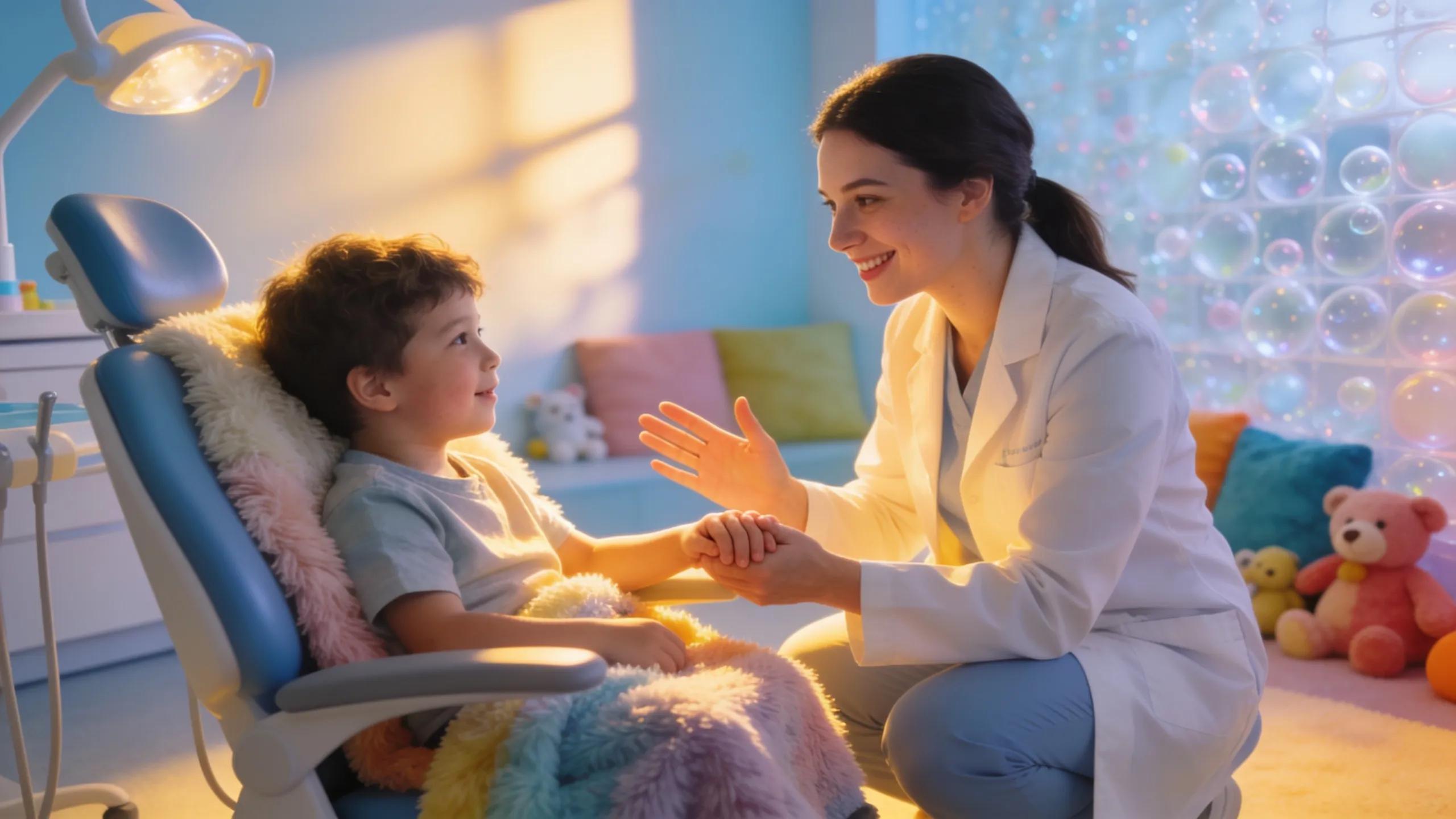
Sensory‑friendly dental visits create a calmer, more predictable environment for patients with sensory sensitivities. These appointments use targeted adjustments — softer lighting, reduced noise, predictable routines and allowance of comfort items — to lower distress and improve cooperation. For patients with autism or other sensory processing differences, this approach reduces triggers and supports a safer, more productive visit.
For more detailed information on
in dental care, consider the following insights:
Dental Care for Children with Sensory Sensitivities
Sensory sensitivities manifest as an amplified awareness of daily stimuli, often perceived as noxious, leading to exaggerated and frequently aversive behavioral responses. These sensitivities are prevalent among children with special healthcare needs and can adversely affect dietary habits, home-based oral hygiene practices, and professional dental treatment. A holistic and comprehensive approach is imperative to address the diverse sensory-related barriers that individuals with sensory sensitivities may encounter during oral care.
Adapting oral care protocols to support children with sensory sensitivities: Occupational therapy and dentistry, LI Stein Duker, 2019
At the Palm Beach Institute of Dentistry, sensory‑adaptations are incorporated into routine visits so patients receive care in a controlled, supportive setting. This emphasis on comfort and predictability helps reduce anxiety and supports better clinical outcomes.
The importance of adapting
, especially for
, is further highlighted by research.
Sensory-Adapted Dental Environments for Pediatric Anxiety
Dental fear and anxiety are prevalent among children, especially those diagnosed with autism spectrum disorder (ASD). Sensory sensitivities, communication difficulties, and unfamiliar dental procedures can intensify stress, making dental appointments particularly challenging. This review investigates the influence of sensory-adapted dental environments (SADEs) on enhancing the dental care experience for children with developmental disabilities (DD). The discussion includes strategies such as visual aids, multisensory adjustments, and patient-centered methodologies. The Snoezelen approach and SADEs represent promising interventions for mitigating anxiety and fostering cooperation, offering a viable alternative to pharmacological sedation. This paper further examines recent research findings, clinical applications, and future trajectories for advancing sensory-friendly dental care. Nurturing Sensory Serenity: A Relaxing Dental Haven, 2026
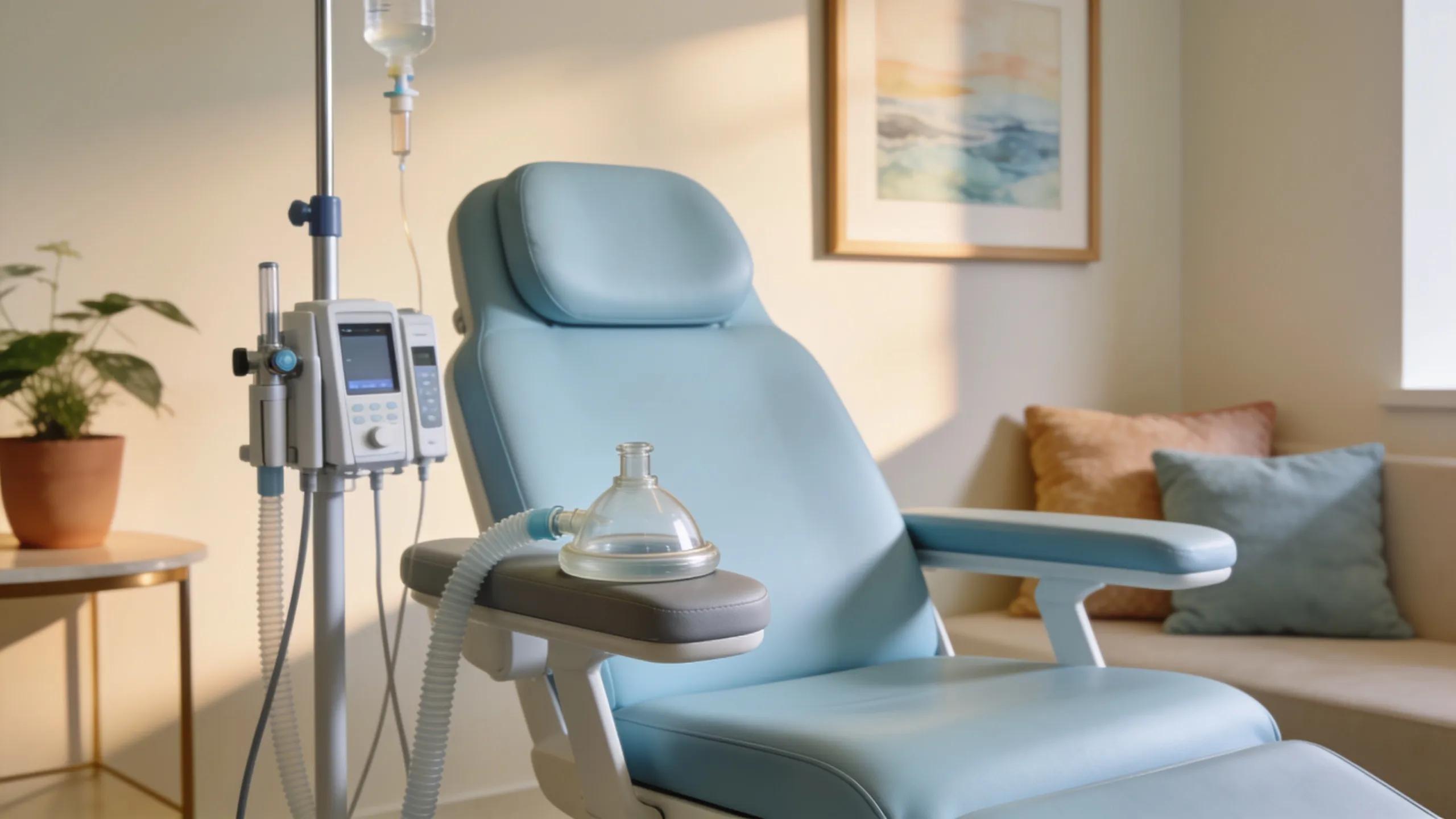
Sedation dentistry provides several options to help patients with special needs tolerate procedures with less anxiety and discomfort. Common methods include nitrous oxide, oral sedatives and intravenous (IV) sedation. Each option has distinct safety considerations and recovery profiles, so selection is based on the patient’s medical history, level of anxiety and the complexity of the procedure.
The Palm Beach Institute of Dentistry assesses each patient and recommends the sedation option that best balances safety and comfort. This personalised approach ensures effective anxiety management while maintaining clinical standards.
The Palm Beach Institute uses evidence‑based strategies to manage anxiety and behavioural sensitivities. Care begins with open dialogue between the dental team, the patient and caregivers to identify triggers, preferences and medical considerations, and that information guides a tailored care plan focused on safety and comfort.
Clinical staff employ desensitisation and relaxation techniques — for example, guided breathing and sensory modifications to the treatment space — and are trained in behavioural dental methods. These measures allow the team to adjust care in real time, helping patients remain calm and supported throughout treatment.
Pediatric care plans are developed from a comprehensive assessment that reviews medical history, behavioural responses and specific oral health needs. This evaluation allows the team to design interventions that are achievable and minimally distressing for the child.
Key components of tailored care plans include:
By focusing on these elements, the Palm Beach Institute of Dentistry delivers paediatric care that balances clinical effectiveness with the child’s emotional comfort and safety.

Emergency dental services for special needs patients address urgent issues while respecting each patient’s clinical and behavioural needs. The Palm Beach Institute of Dentistry is prepared to manage emergencies such as dental trauma, severe pain and infections, with protocols tailored to minimise stress and maximise safety.
Key features of their emergency services include:
This preparedness ensures special needs patients receive prompt, effective treatment that reduces pain and emotional distress during acute episodes.
Choose a practice with documented experience treating patients with similar needs. Look for sensory‑adapted environments, formalised care plans, and staff trained in behavioural techniques. Accessibility, clear communication, and available sedation options are also important factors that improve the patient’s experience and outcomes.
Caregivers can reduce anxiety by explaining the visit in simple, concrete terms and rehearsing the steps beforehand. A pre‑visit tour of the clinic, role‑play at home or use of visual supports can increase familiarity. Allowing a familiar comfort item during the appointment also reassures many patients.
Yes. Emergency protocols focus on creating a calm, controlled environment and using clear, simple explanations. Staff trained in special needs care perform rapid assessments and implement tailored treatment plans that address immediate dental problems while attending to the patient’s emotional needs.
Technology can reduce discomfort and improve cooperation. Examples include minimally invasive laser procedures, virtual reality or distraction tools during treatment, and smart toothbrushes with timers to support home care. Digital appointment reminders also help caregivers manage schedules reliably.
Parents should establish a consistent oral‑care routine, using visual schedules or charts to reinforce habits. Trial of preferred flavours or specialised brushes can ease sensitivities, and limiting sugary snacks supports oral health. Ongoing communication with the dentist ensures home strategies align with clinical recommendations.
Routine check‑ups are generally recommended every six months, but some patients require more frequent visits based on medical or behavioural factors. Care plans should be personalised; consult the dental team for a schedule that reflects the individual’s needs.
Families can access local support groups, advocacy organisations and clinics that offer workshops on tailored oral care. Some programmes provide financial assistance or information on specialised services. Contacting regional advocacy groups is a practical first step to identify resources that match your family’s needs.
palmbeachinstituteofdentistry
Comments Off on Dental Care for Patients with Special Needs By Dr.Robert Etemad, Palm Beach Institute Of Dentistry
Providing dental care for patients with special needs requires a thoughtful, patient-centred approach that emphasises comfort, access, and individualized treatment plans. This page outlines services tailored to those needs — including sensory‑adapted appointments, appropriate sedation options, and emergency care — and explains how the practice addresses common challenges such as dental anxiety and behavioural sensitivities. The Palm Beach Institute of Dentistry in West Palm Beach, FL, is dedicated to comprehensive, accessible care. We describe sensory‑friendly visits, sedation dentistry, and paediatric care planning to give a clear overview of available services.
Sensory‑friendly dental visits create a calmer, more predictable environment for patients with sensory sensitivities. These appointments use targeted adjustments — softer lighting, reduced noise, predictable routines and allowance of comfort items — to lower distress and improve cooperation. For patients with autism or other sensory processing differences, this approach reduces triggers and supports a safer, more productive visit.
For more detailed information on
in dental care, consider the following insights:
Dental Care for Children with Sensory Sensitivities
Sensory sensitivities manifest as an amplified awareness of daily stimuli, often perceived as noxious, leading to exaggerated and frequently aversive behavioral responses. These sensitivities are prevalent among children with special healthcare needs and can adversely affect dietary habits, home-based oral hygiene practices, and professional dental treatment. A holistic and comprehensive approach is imperative to address the diverse sensory-related barriers that individuals with sensory sensitivities may encounter during oral care.
Adapting oral care protocols to support children with sensory sensitivities: Occupational therapy and dentistry, LI Stein Duker, 2019
At the Palm Beach Institute of Dentistry, sensory‑adaptations are incorporated into routine visits so patients receive care in a controlled, supportive setting. This emphasis on comfort and predictability helps reduce anxiety and supports better clinical outcomes.
The importance of adapting
, especially for
, is further highlighted by research.
Sensory-Adapted Dental Environments for Pediatric Anxiety
Dental fear and anxiety are prevalent among children, especially those diagnosed with autism spectrum disorder (ASD). Sensory sensitivities, communication difficulties, and unfamiliar dental procedures can intensify stress, making dental appointments particularly challenging. This review investigates the influence of sensory-adapted dental environments (SADEs) on enhancing the dental care experience for children with developmental disabilities (DD). The discussion includes strategies such as visual aids, multisensory adjustments, and patient-centered methodologies. The Snoezelen approach and SADEs represent promising interventions for mitigating anxiety and fostering cooperation, offering a viable alternative to pharmacological sedation. This paper further examines recent research findings, clinical applications, and future trajectories for advancing sensory-friendly dental care. Nurturing Sensory Serenity: A Relaxing Dental Haven, 2026
Sedation dentistry provides several options to help patients with special needs tolerate procedures with less anxiety and discomfort. Common methods include nitrous oxide, oral sedatives and intravenous (IV) sedation. Each option has distinct safety considerations and recovery profiles, so selection is based on the patient’s medical history, level of anxiety and the complexity of the procedure.
The Palm Beach Institute of Dentistry assesses each patient and recommends the sedation option that best balances safety and comfort. This personalised approach ensures effective anxiety management while maintaining clinical standards.
The Palm Beach Institute uses evidence‑based strategies to manage anxiety and behavioural sensitivities. Care begins with open dialogue between the dental team, the patient and caregivers to identify triggers, preferences and medical considerations, and that information guides a tailored care plan focused on safety and comfort.
Clinical staff employ desensitisation and relaxation techniques — for example, guided breathing and sensory modifications to the treatment space — and are trained in behavioural dental methods. These measures allow the team to adjust care in real time, helping patients remain calm and supported throughout treatment.
Pediatric care plans are developed from a comprehensive assessment that reviews medical history, behavioural responses and specific oral health needs. This evaluation allows the team to design interventions that are achievable and minimally distressing for the child.
Key components of tailored care plans include:
By focusing on these elements, the Palm Beach Institute of Dentistry delivers paediatric care that balances clinical effectiveness with the child’s emotional comfort and safety.
Emergency dental services for special needs patients address urgent issues while respecting each patient’s clinical and behavioural needs. The Palm Beach Institute of Dentistry is prepared to manage emergencies such as dental trauma, severe pain and infections, with protocols tailored to minimise stress and maximise safety.
Key features of their emergency services include:
This preparedness ensures special needs patients receive prompt, effective treatment that reduces pain and emotional distress during acute episodes.
Choose a practice with documented experience treating patients with similar needs. Look for sensory‑adapted environments, formalised care plans, and staff trained in behavioural techniques. Accessibility, clear communication, and available sedation options are also important factors that improve the patient’s experience and outcomes.
Caregivers can reduce anxiety by explaining the visit in simple, concrete terms and rehearsing the steps beforehand. A pre‑visit tour of the clinic, role‑play at home or use of visual supports can increase familiarity. Allowing a familiar comfort item during the appointment also reassures many patients.
Yes. Emergency protocols focus on creating a calm, controlled environment and using clear, simple explanations. Staff trained in special needs care perform rapid assessments and implement tailored treatment plans that address immediate dental problems while attending to the patient’s emotional needs.
Technology can reduce discomfort and improve cooperation. Examples include minimally invasive laser procedures, virtual reality or distraction tools during treatment, and smart toothbrushes with timers to support home care. Digital appointment reminders also help caregivers manage schedules reliably.
Parents should establish a consistent oral‑care routine, using visual schedules or charts to reinforce habits. Trial of preferred flavours or specialised brushes can ease sensitivities, and limiting sugary snacks supports oral health. Ongoing communication with the dentist ensures home strategies align with clinical recommendations.
Routine check‑ups are generally recommended every six months, but some patients require more frequent visits based on medical or behavioural factors. Care plans should be personalised; consult the dental team for a schedule that reflects the individual’s needs.
Families can access local support groups, advocacy organisations and clinics that offer workshops on tailored oral care. Some programmes provide financial assistance or information on specialised services. Contacting regional advocacy groups is a practical first step to identify resources that match your family’s needs.