 palmbeachinstituteofdentistry
Comments Off on Affordable Dental Implants vs Dentures: Which Is Better?
palmbeachinstituteofdentistry
Comments Off on Affordable Dental Implants vs Dentures: Which Is Better? By Dr.Robert Etemad, Palm Beach Institute Of Dentistry
Choosing the right tooth replacement option can be a daunting task for many individuals facing tooth loss. With various solutions available, understanding the differences between affordable dental implants and dentures is crucial for making an informed decision. This article will explore the key aspects of both options, including their costs, longevity, comfort, and maintenance requirements. By the end, readers will have a clearer understanding of which option may be best suited for their needs.
In this guide, we will delve into the comparison of affordable dental implants and dentures, highlighting their respective benefits and drawbacks. We will also discuss the “dental implant procedure”, the advantages of implants over dentures, and the maintenance required for each option. Additionally, we will provide insights into the costs associated with both dental implants and dentures, including financing options available for patients.
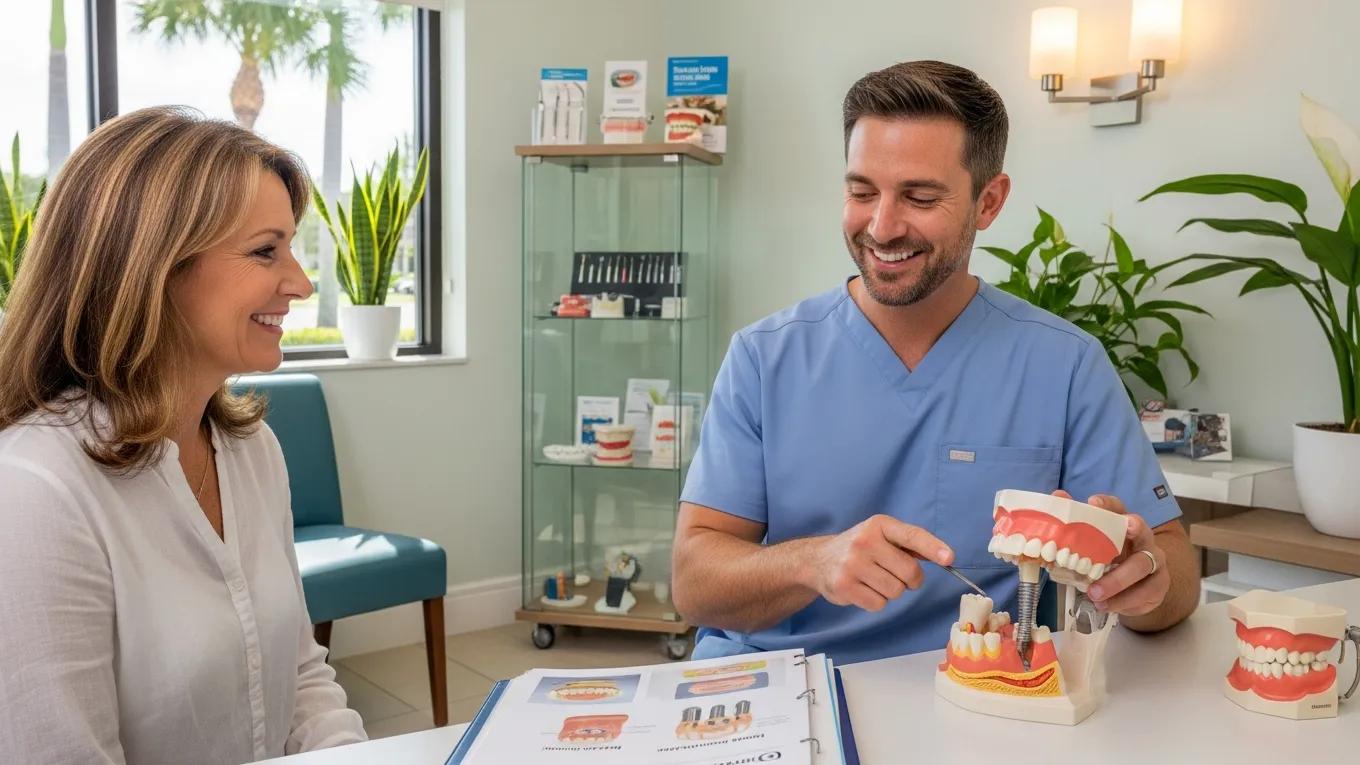
When considering tooth replacement options, it’s essential to compare the key aspects of affordable dental implants and dentures. Each option has its unique characteristics that can significantly impact a patient’s oral health and overall satisfaction.
The cost of dental implants and dentures can vary significantly based on several factors, including the materials used and the complexity of the procedure. Generally, dental implants tend to have a higher initial cost compared to dentures. However, it’s important to consider the long-term financial implications of each option.
Longevity is a critical factor when evaluating dental implants versus dentures. Dental implants are designed to be a long-term solution, often lasting 10 to 15 years or more with proper care. In contrast, dentures typically need to be replaced every 5 to 7 years due to wear and changes in the mouth.
Comfort is another significant consideration when choosing between dental implants and dentures. Many patients report that dental implants feel more natural and comfortable compared to dentures, which can sometimes cause irritation or discomfort.
The maintenance requirements for dental implants and dentures differ significantly. Understanding these needs can help patients make a more informed choice.
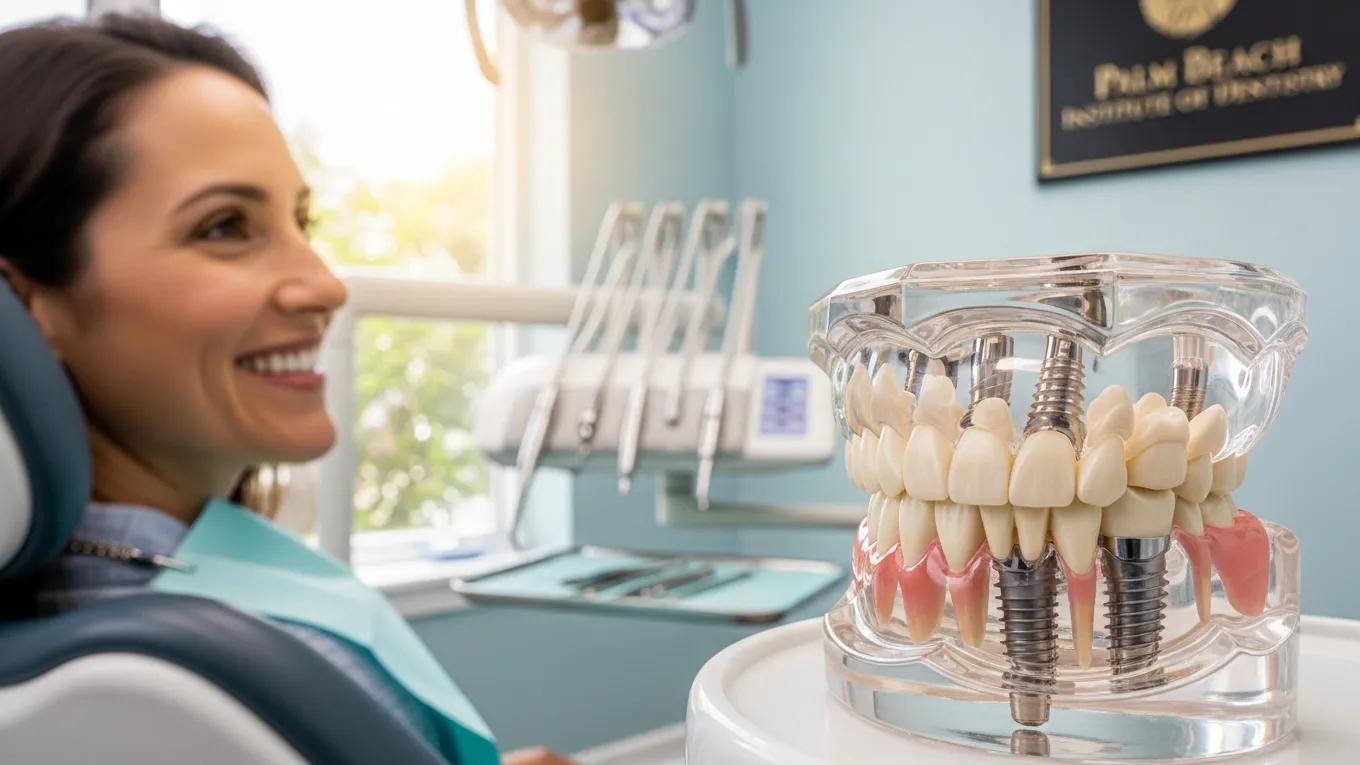
Dental implants are artificial tooth roots made of titanium that are surgically placed into the jawbone. They serve as a sturdy foundation for replacement teeth, providing a permanent solution for tooth loss. The key benefits of dental implants include:
Dental implants offer several advantages over traditional dentures, making them a preferred choice for many patients. These advantages include:
The dental implant procedure typically involves several steps, including:
Dental implants provide numerous advantages that make them a superior choice for many individuals. These include:
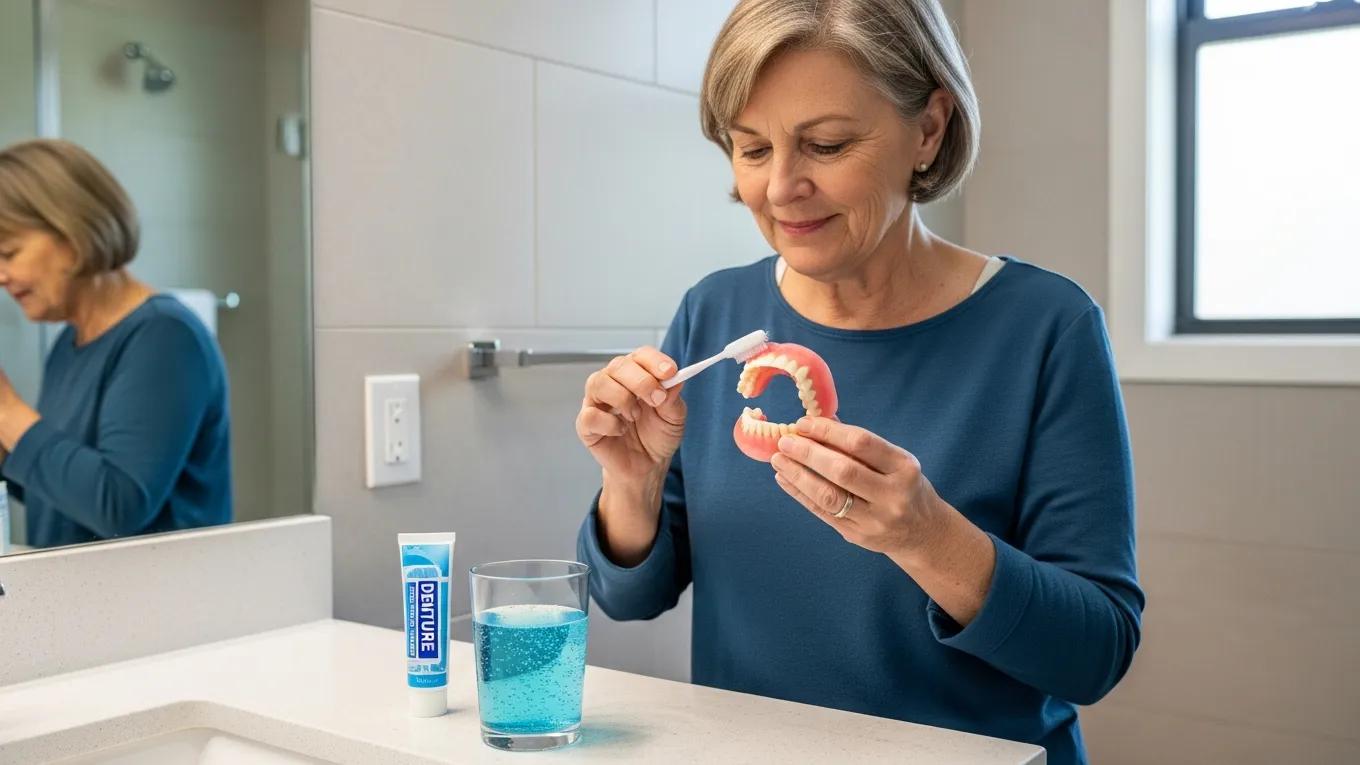
Dentures are removable appliances designed to replace missing teeth. They can be either full or partial, depending on the number of teeth being replaced. Proper care for dentures includes:
There are several types of dentures available, including:
Maintaining and caring for dentures is essential for oral health. Key tips include:
When comparing the costs of dental implants and dentures, several factors come into play.
This table illustrates the financial considerations involved in choosing between dental implants and dentures.
Several factors can influence the cost of dental implants, including:
Many dental practices offer financing options to help patients manage the costs of dental implants and dentures. These options may include:
Recovery and maintenance requirements differ significantly between dental implants and dentures.
The typical recovery time for dental implants can range from 3 to 6 months, depending on individual healing rates and the complexity of the procedure. During this time, patients may need to follow specific care instructions to ensure proper healing.
Denture maintenance needs differ from those of dental implants in several ways:
If you have questions or would like to schedule a consultation for dental implants or dentures, please contact our office. We are here to help you find the best tooth replacement solution for your needs.
Address: 13472 Forest Hill Blvd Ste 2A West Palm Beach, FL 33406
Phone: (561) 429-2196
While dental implants are generally safe, there are potential risks involved. These can include infection at the implant site, nerve damage, and sinus issues if the implant protrudes into the sinus cavity. Additionally, improper placement can lead to implant failure. It’s crucial to choose a qualified dental professional to minimize these risks. Regular follow-ups and good oral hygiene can also help ensure the success of the implant procedure.
Good candidates for dental implants typically have healthy gums and sufficient bone density to support the implant. Factors such as age, overall health, and lifestyle choices (like smoking) can also influence candidacy. A thorough evaluation by a dental professional, including imaging studies, will help determine if implants are a suitable option for you. If you have underlying health conditions, discussing these with your dentist is essential.
In some cases, dental implants can be placed immediately after tooth extraction, a procedure known as immediate implant placement. This approach can save time and reduce the number of surgeries needed. However, it depends on the condition of the bone and the health of the surrounding tissue. Your dentist will assess your specific situation to determine if immediate placement is feasible and beneficial for you.
The recovery process for dental implants typically involves a healing period of 3 to 6 months. During this time, you may experience some swelling, discomfort, or bruising around the implant site. Pain management can be achieved with prescribed medications. It’s important to follow your dentist’s aftercare instructions, which may include dietary restrictions and oral hygiene practices, to promote healing and ensure the success of the implant.
Choosing between dental implants and dentures depends on various factors, including your budget, lifestyle, and personal preferences. Consider the longevity, comfort, and maintenance requirements of each option. Dental implants offer a more permanent solution with a natural feel, while dentures are removable and may be more affordable initially. Consulting with a dental professional can help you weigh the pros and cons based on your specific needs and circumstances.
After receiving dental implants, it’s advisable to follow a soft food diet for the initial healing period, typically a few days to a week. Foods that are hard, crunchy, or sticky should be avoided to prevent discomfort and protect the implant site. Gradually, you can reintroduce regular foods as healing progresses. Always follow your dentist’s specific dietary recommendations to ensure optimal recovery and implant success.
palmbeachinstituteofdentistry
Comments Off on Affordable Dental Implants vs Dentures: Which Is Better? By Dr.Robert Etemad, Palm Beach Institute Of Dentistry
Choosing the right tooth replacement option can be a daunting task for many individuals facing tooth loss. With various solutions available, understanding the differences between affordable dental implants and dentures is crucial for making an informed decision. This article will explore the key aspects of both options, including their costs, longevity, comfort, and maintenance requirements. By the end, readers will have a clearer understanding of which option may be best suited for their needs.
In this guide, we will delve into the comparison of affordable dental implants and dentures, highlighting their respective benefits and drawbacks. We will also discuss the “dental implant procedure”, the advantages of implants over dentures, and the maintenance required for each option. Additionally, we will provide insights into the costs associated with both dental implants and dentures, including financing options available for patients.
When considering tooth replacement options, it’s essential to compare the key aspects of affordable dental implants and dentures. Each option has its unique characteristics that can significantly impact a patient’s oral health and overall satisfaction.
The cost of dental implants and dentures can vary significantly based on several factors, including the materials used and the complexity of the procedure. Generally, dental implants tend to have a higher initial cost compared to dentures. However, it’s important to consider the long-term financial implications of each option.
Longevity is a critical factor when evaluating dental implants versus dentures. Dental implants are designed to be a long-term solution, often lasting 10 to 15 years or more with proper care. In contrast, dentures typically need to be replaced every 5 to 7 years due to wear and changes in the mouth.
Comfort is another significant consideration when choosing between dental implants and dentures. Many patients report that dental implants feel more natural and comfortable compared to dentures, which can sometimes cause irritation or discomfort.
The maintenance requirements for dental implants and dentures differ significantly. Understanding these needs can help patients make a more informed choice.
Dental implants are artificial tooth roots made of titanium that are surgically placed into the jawbone. They serve as a sturdy foundation for replacement teeth, providing a permanent solution for tooth loss. The key benefits of dental implants include:
Dental implants offer several advantages over traditional dentures, making them a preferred choice for many patients. These advantages include:
The dental implant procedure typically involves several steps, including:
Dental implants provide numerous advantages that make them a superior choice for many individuals. These include:
Dentures are removable appliances designed to replace missing teeth. They can be either full or partial, depending on the number of teeth being replaced. Proper care for dentures includes:
There are several types of dentures available, including:
Maintaining and caring for dentures is essential for oral health. Key tips include:
When comparing the costs of dental implants and dentures, several factors come into play.
This table illustrates the financial considerations involved in choosing between dental implants and dentures.
Several factors can influence the cost of dental implants, including:
Many dental practices offer financing options to help patients manage the costs of dental implants and dentures. These options may include:
Recovery and maintenance requirements differ significantly between dental implants and dentures.
The typical recovery time for dental implants can range from 3 to 6 months, depending on individual healing rates and the complexity of the procedure. During this time, patients may need to follow specific care instructions to ensure proper healing.
Denture maintenance needs differ from those of dental implants in several ways:
If you have questions or would like to schedule a consultation for dental implants or dentures, please contact our office. We are here to help you find the best tooth replacement solution for your needs.
Address: 13472 Forest Hill Blvd Ste 2A West Palm Beach, FL 33406
Phone: (561) 429-2196
While dental implants are generally safe, there are potential risks involved. These can include infection at the implant site, nerve damage, and sinus issues if the implant protrudes into the sinus cavity. Additionally, improper placement can lead to implant failure. It’s crucial to choose a qualified dental professional to minimize these risks. Regular follow-ups and good oral hygiene can also help ensure the success of the implant procedure.
Good candidates for dental implants typically have healthy gums and sufficient bone density to support the implant. Factors such as age, overall health, and lifestyle choices (like smoking) can also influence candidacy. A thorough evaluation by a dental professional, including imaging studies, will help determine if implants are a suitable option for you. If you have underlying health conditions, discussing these with your dentist is essential.
In some cases, dental implants can be placed immediately after tooth extraction, a procedure known as immediate implant placement. This approach can save time and reduce the number of surgeries needed. However, it depends on the condition of the bone and the health of the surrounding tissue. Your dentist will assess your specific situation to determine if immediate placement is feasible and beneficial for you.
The recovery process for dental implants typically involves a healing period of 3 to 6 months. During this time, you may experience some swelling, discomfort, or bruising around the implant site. Pain management can be achieved with prescribed medications. It’s important to follow your dentist’s aftercare instructions, which may include dietary restrictions and oral hygiene practices, to promote healing and ensure the success of the implant.
Choosing between dental implants and dentures depends on various factors, including your budget, lifestyle, and personal preferences. Consider the longevity, comfort, and maintenance requirements of each option. Dental implants offer a more permanent solution with a natural feel, while dentures are removable and may be more affordable initially. Consulting with a dental professional can help you weigh the pros and cons based on your specific needs and circumstances.
After receiving dental implants, it’s advisable to follow a soft food diet for the initial healing period, typically a few days to a week. Foods that are hard, crunchy, or sticky should be avoided to prevent discomfort and protect the implant site. Gradually, you can reintroduce regular foods as healing progresses. Always follow your dentist’s specific dietary recommendations to ensure optimal recovery and implant success.